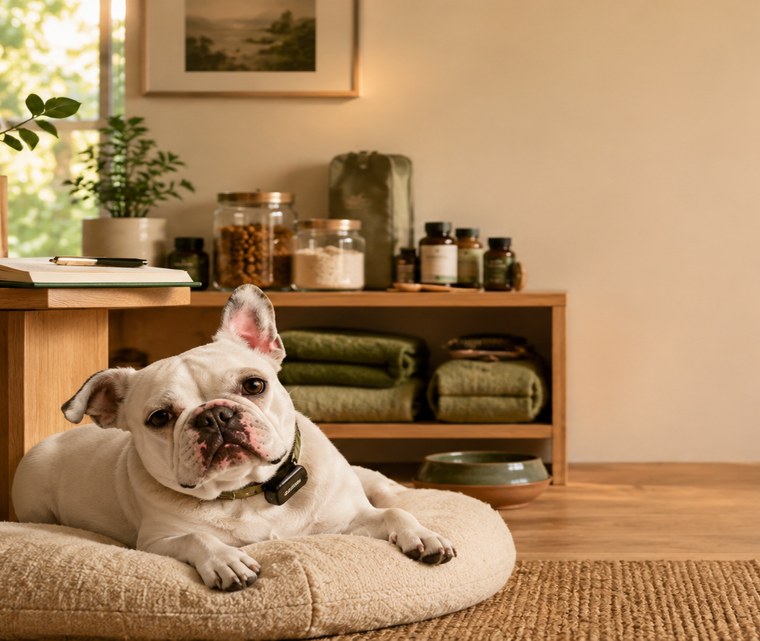
Luna's Lab is one real owner documenting one real dog. It's honest and specific, but Luna isn't your dog — what works for her may not be right for yours, and none of it is veterinary advice. Use it for ideas and questions to bring to your own vet, not as a plan to copy.
Aging isn't a problem to solve
The biggest shift in how I think about Luna's health has been accepting that aging isn't a disease to defeat — it's a stage to support well. The goal isn't to keep her young; it's to help her stay comfortable, dignified, and engaged for as long as possible. That reframe changes what you prioritize.
Paying closer attention
As Luna ages, I watch more closely for the subtle stuff — changes in mobility, sleep, appetite, and the early cues covered in signs of joint pain — and I lean on more frequent vet contact to tell normal aging from something treatable. Catching changes early is the whole game in the senior years.
The lesson
What Luna keeps teaching me is that the senior years reward everything you built earlier: the lean weight, the daily movement, the preventive habits. None of it stops aging, but all of it helps her age well. For the practical side, see the senior dog care hub and the quality-of-life checklist — and, as always, your vet knows your dog.
- What changes are normal aging versus something treatable?
- What screenings make sense for my dog's age now?
- How can I best support my dog's comfort as they age?
- How should I think about quality of life going forward?